The ‘Office of Humanity’
Lucius Annaeus Seneca - Seneca the Younger - was a first century Roman Stoic philosopher, statesman, and dramatist who became tutor and adviser to the emperor Nero. He wrote moral essays and letters, as well as tragic plays in the time of Nero. Sadly, Seneca was forced to commit suicide due to the emperor’s belief of a conspiracy against himself.
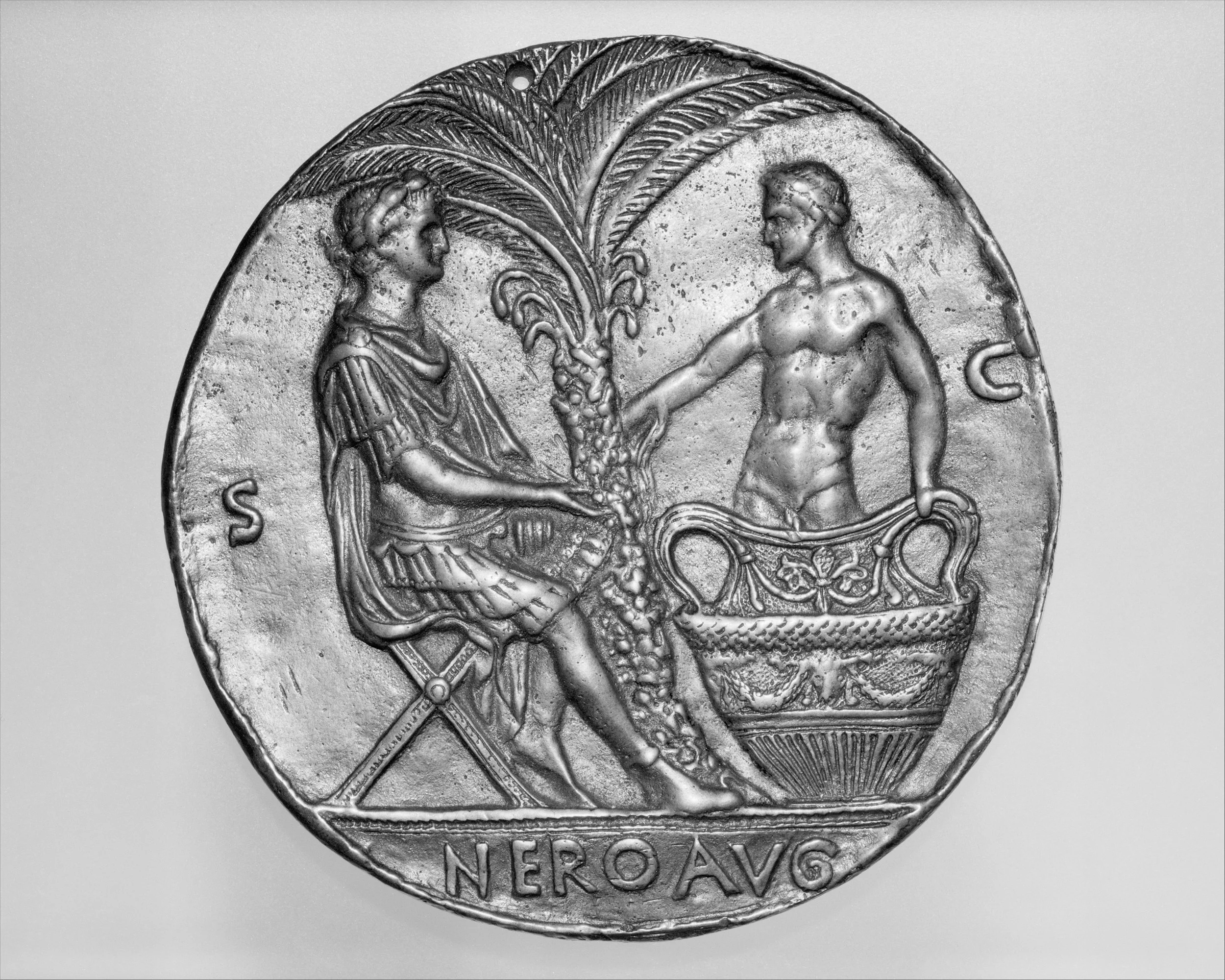
Nero and the Dying Seneca. Artist: After a design by Master of the Roman Emperors (active mid-15th century). 1445. Image courtesy of the MET.
It is our good fortune that Seneca left us with a truly memorable body of work relating to Wisdom that, should we Moderns pause long enough to absorb, could put the modern day self-improvement industry out of business.
Such is the greatness of Ancient Wisdom.
Here I focus on just one mere element of his work - Benefits.
Seneca implores us to consider the benefit of gifting a good deed upon someone - be that person familiar to you or not - as a judgment and not just an intention:
‘As it is the will that designs the benefit, and the matter that conveys it, so it is the judgment that perfects it: which depends upon so many critical niceties, that the least error, either in the person, the matter, the manner, the quality, the quantity, the time, or the place, spoils all.’
He stresses that it is not about ignoring those in need who you know will be ungrateful of your offer of help or advice, but rather the extent you go to imparting it. But in everything, you must be honest. Truth is the most important factor of all:
‘To say the truth, we do not employ any more profit than that which we bestow.’
To avoid the pain of that which comes from a receiver who is utterly indifferent to your giving, you must judge accordingly:
‘The error of the giver does oft-times excuse the ingratitude of the receiver: for a favor ill-placed is rather a profusion than a benefit.’
This is where judgment comes in. In Seneca’s view, it is the honesty of another man’s mind that determines the kindness which emanates from within us. Even though he would sooner oblige a grateful man than an ungrateful one, it would not stop him from doing good - but there is a caveat:

The offer of a helping hand does not infer reciprocation, but we offer it with discernment.
‘…that I will serve the one in all extremities with my life and fortune, and the other no farther than stands with my convenience.’
I believe our modern life has become betwixt and between where gratitude and giving is concerned. What I mean is that, while many of us have been raised to believe that offering assistance to everyone in exactly the same way is without question, we fail to discern that which Seneca points out so clearly:
Does everyone want our help? Who will we help in what way? How do we know what a person truly is asking for? How do we even know if they will be grateful or not?
Seneca follows the rule of probability:
‘I will follow probability, and hope the best. He that sows is not sure to reap; nor the seaman to reach his port; nor the soldier to win the field: he that weds is not sure his wife shall be honest, or his children dutiful: but shall we therefore neither sow, sail, bear arms, nor marry? Nay, if I knew a man to be incurably thankless, I would yet be so kind as to put him in his way, or let him light a candle at mine, or draw water at my well; which may stand him perhaps in great stead, and yet not be reckoned as a benefit from me; for I do it carelessly, and not for his sake, but my own; as an office of humanity, without any choice or kindness.’
Make of this what you will; as it is surely up to each one of us to determine the way to proceed. But I see commonsense in this approach. I also see the only way to truly help someone is through our being honest with them. If it is their will to not accept help or advice, then that is their liberty. Ours is merely to offer the hand; how another person perceives this is theirs alone.
The ‘office of humanity’ is quite an apt term, don’t you think?