The perennial clash of Age and Youth
One of William Shakespeare’s poems, in his ‘The Passionate Pilgrim’ anthology, grabbed my attention in light of the varied discussion occurring across the world on ageing and the complexities and challenges around caring for our elderly as the world’s population lives longer.
The modern world has embraced ageing more positively than in William’s time. However, while these steps have been made to highlight how ageing is the beneficiary of wisdom, there remains an element among society that lacks the patience and foresight to see how the young and old can coexist. Every generation has its own views on life and longevity, but that should not deter us from continuing to highlight the benefits to individuals and societies of the reciprocal relationship between the two generations.
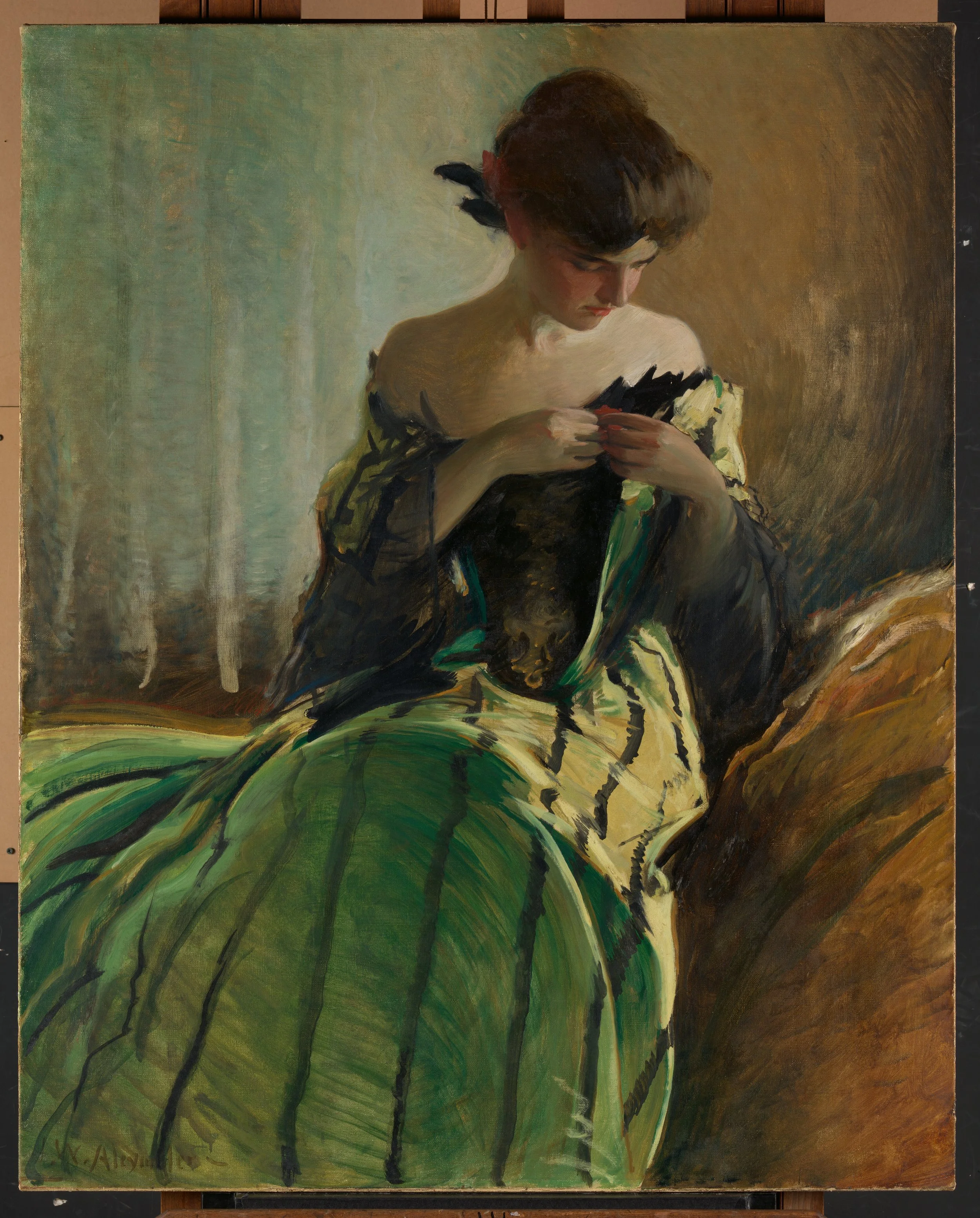
The young beauty: Study in Green and Black. 1906. Artist: John White Alexander (American, Allegheny, Pennsylvania 1856–1915. Image courtesy of the MET.
One poem stands out as a reminder of how it was perceived in the high Renaissance period in which Shakespeare wrote, although we must also consider that his writing incorporated views and sentiments from the preceding medieval and classical worlds. Two things motivated me to write a short piece today — the first line of this poem, and the classical quote I opened up this morning as my daily dose of wisdom, which I will put at the end of this synopsis.
‘Crabbed age and youth cannot live together:
Youth is full of pleasance, age is full of care;
Youth like summer morn, age like winter weather;
Youth like summer brave, age like winter bare;
Youth is full of sport, age’s breath is short;
Youth is nimble, age is lame;
Youth is hot and bold, age is weak and cold;
Youth is wild, and age is tame.
Age, I do abhor thee; youth, I do adore thee;
O! my love, my love is young:
Age, I do defy thee: O! sweet shepherd, hie thee,
For methinks thou stay’st too long.’
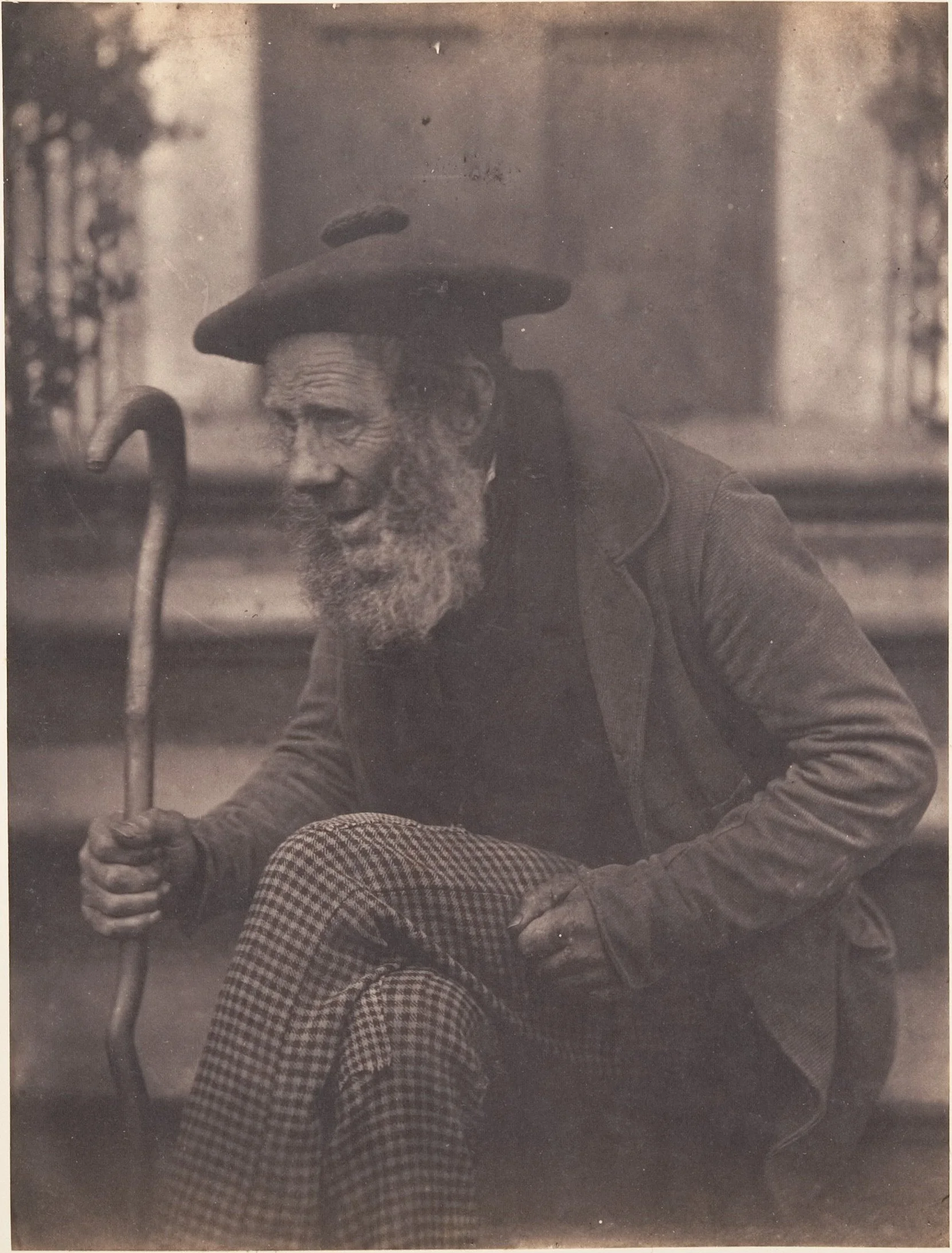
Old Tom. 1856-59. Artist: Horatio Ross (British, Rossie Castle, near Montrose, Scotland 1801–1886 Scotland). Image courtesy of the MET.
It is a beautiful poem. It speaks to all of us — the young now, and those who only look from a distance.
I thought the description of “crabbed” rather harsh, so I consulted my trusty Thesaurus:
sour; irascible; stricken in years; hard to understand; stiff; complex.
Generalisations are never helpful for either of the generations.
I agree with the sentiment behind the line — young people must establish their own presence for their times, but that does not have to mean excluding those who have lived long before them.
The blending of youth and age can be a blessing:
‘The goal of life is living in agreement with nature.’
~ Zeno of Citium, 334 - 262 BC.